Search “historic wedding venue DFW” and you’ll get a few dozen results. About half of them mean it. The other half mean a new building with some Edison bulbs and a chalkboard sign out front.
That’s not a knock on those venues. Plenty of couples want a modern space with vintage styling, and that’s a fine thing to want. But if you’re specifically hunting for a place with real history in the walls. Not a look, an actual past, it helps to know what separates the two before you start touring.
What “Historic” Actually Means
A venue earns the word “historic” a few different ways, and it’s worth checking for more than one:
- The building is original, not a recreation. Plenty of new construction is designed to look decades old. That’s a design choice. It’s different from a structure that’s actually stood since the year it claims.
- There’s a documented past, not just a story someone tells on tours. Deed records, historical society archives, newspaper mentions — the paper trail either exists or it doesn’t.
- It’s recognized by a preservation body. A listing on the National Register of Historic Places means the building has been formally evaluated, not just marketed as old.
- The original materials are still doing their job. Load-bearing brick, original beams, hardware that’s a hundred years old and still functions — versus salvage pieces bolted on for texture.
None of these are dealbreakers on their own. A venue can be gorgeous without checking every box. But if “historic” is the reason you’re drawn to a space, these are the questions that tell you whether you’re getting the real thing.
Why Historic Ends Up Mattering More Than People Expect
Couples usually start caring about this for aesthetic reasons, brick and beams photograph beautifully and end up caring about it for a different reason entirely. A building with a real past comes with a story to hand your guests, and stories are what people remember once the flowers are gone. “We got married in a building from the 1870s” lands differently than “we got married somewhere that looks old.”
It also tends to hold up under scrutiny in a way styling doesn’t. Anyone can walk through a themed venue and clock what’s original versus what’s set dressing. A genuinely historic space doesn’t need the distinction pointed out.
Questions Worth Asking on a Tour
A few direct questions will tell you more than a venue’s Instagram ever will:
Is this the original building, or built to look like one? Ask what year construction finished, and whether any part of the current structure predates that.
What’s documented, and what’s just told? A venue with real history usually has records, historical society ties, or press coverage to point to — not just a story passed down by staff.
Is it on the National Register of Historic Places? This isn’t the only marker of authenticity, but it’s the one with a paper trail behind it.
What’s original versus added? Beams, brick, hardware, flooring — ask which pieces are load-bearing history and which were brought in during a renovation.
Where McKinney Flour Mill Fits In
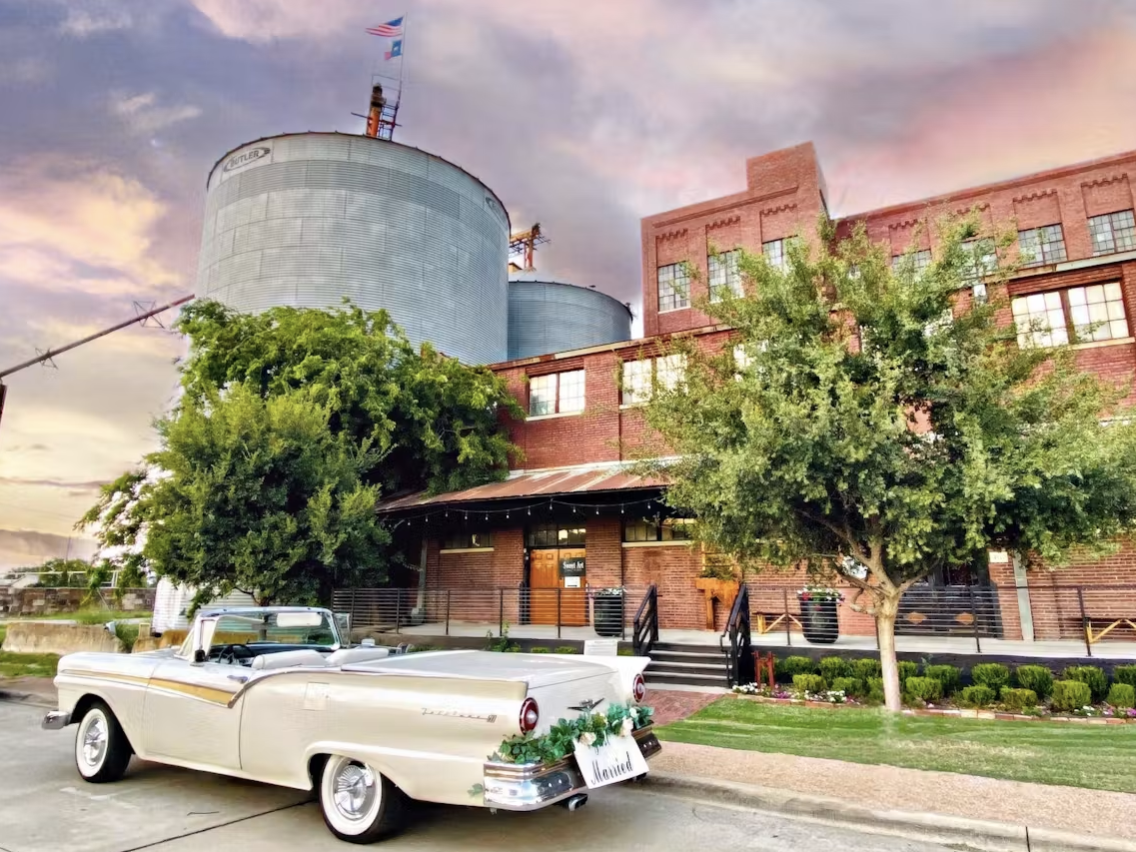
A mill has stood on this property in Downtown McKinney since 1872, when the railroad came through town and gave the mill access to markets across the country. The brick building you’d walk into today for a wedding went up in 1914. The warehouse next door, now known as Diamond Hall, followed in 1926, which puts it at its 100th year as of 2026.
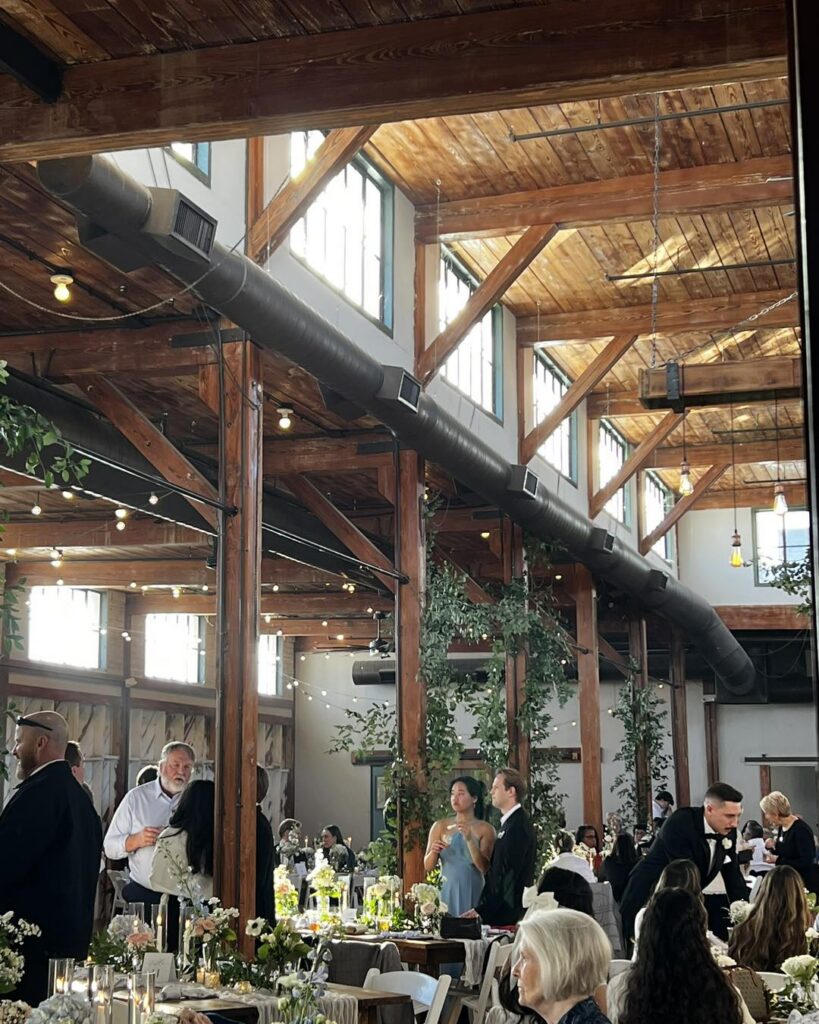
The restoration didn’t start from scratch. It kept what already worked: the original hardwood floors, the exposed brick, the industrial equipment that once ran the mill itself.
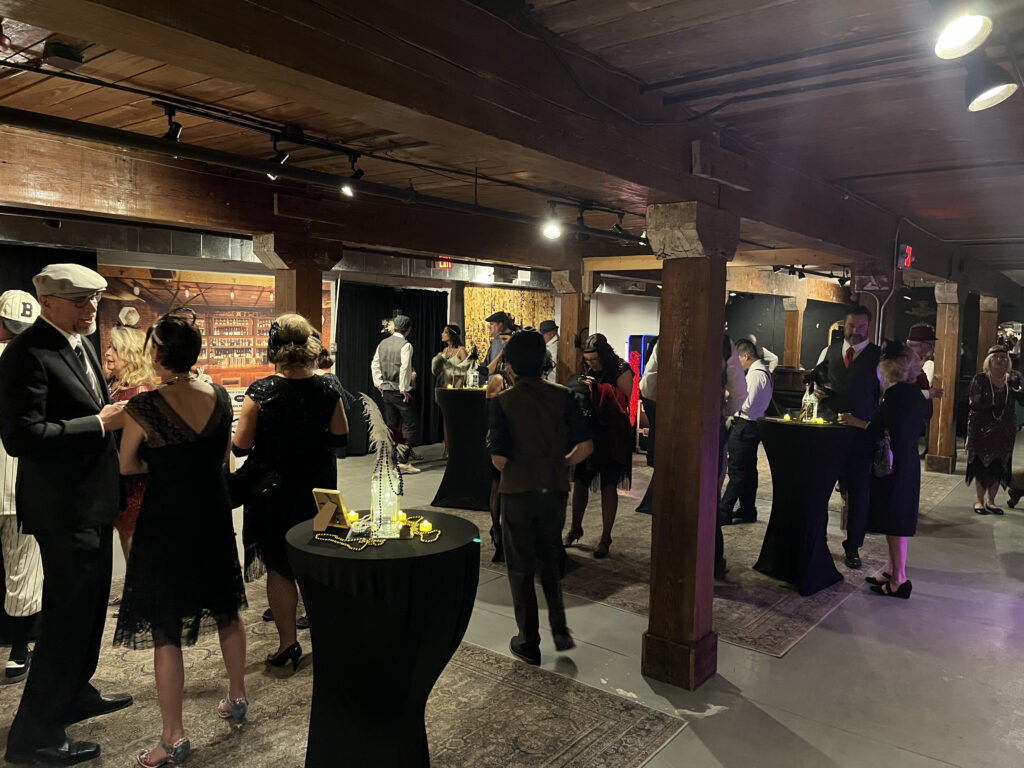
What got added was built to live alongside that history rather than cover it up — grain-shoot chandeliers, café lighting strung through the original beams, a hidden 1920s-era basement space with a hundred-year-old antique bar and the Mill’s original safe still standing in the corner.
The property carries a listing on the National Register of Historic Places, which means the building’s history has been formally reviewed, not just written into the marketing copy. Between Diamond Hall, the Secret Garden, and the Prohibition Speakeasy, couples get a ceremony space, a reception hall, and a night-before venue that all sit under one roof with the same century-plus of history running through it.
Ready to See It in Person?
Photos only tell you so much about a building this old. The best way to know whether a venue’s history is real is to stand inside it — check the weight of the brick, notice which beams still carry load, ask the questions above and see how the answers hold up.
Book a tour and walk through Diamond Hall, the Secret Garden, and the Speakeasy yourself, and bring your questions with you.
Frequently Asked Questions
How many historic wedding venues are there in North Texas? North Texas has a handful of venues built inside genuinely historic structures — old mills, cotton warehouses, and early-1900s buildings restored for events. The number is small enough that most couples researching the category can tour the realistic options in a single weekend.
Is McKinney Flour Mill on the National Register of Historic Places? Yes. The property carries this listing, which reflects formal review of the building’s history rather than a marketing claim.
What year was McKinney Flour Mill built? A mill has operated on the property since 1872. The brick building used for events today was constructed in 1914, and the adjacent Diamond Hall building followed in 1926.
What makes McKinney Flour Mill different from other industrial-style venues in the area? The industrial look here isn’t a design choice layered onto new construction — it’s what’s left from an actual working flour mill, restored rather than recreated.